
Conjunctivitis
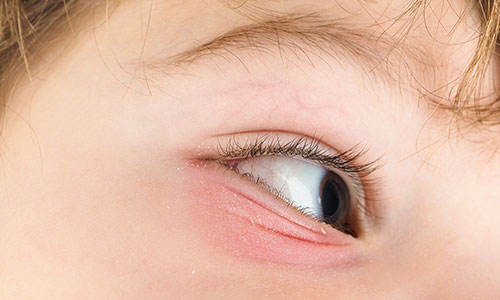
Conjunctivitis is a common eye infection, especially among children under five. It is an inflammation (swelling and redness) of the conjunctiva, which is the clear membrane that covers the white part of the eye and the inside of the eyelids. Sometimes conjunctivitis is called ‘pink eye’, because the eye looks pink or red Treatment is dependent on the type of conjunctivitis affecting your child. Conjunctivitis can be an infectious or allergic condition. Infectious conjunctivitis is highly contagious.
Signs and symptoms of conjunctivitis
If your child has conjunctivitis, they may have:
- red or pink eye (or both eyes)
- redness behind the eyelid
- swelling of the eyelids, making them appear puffy
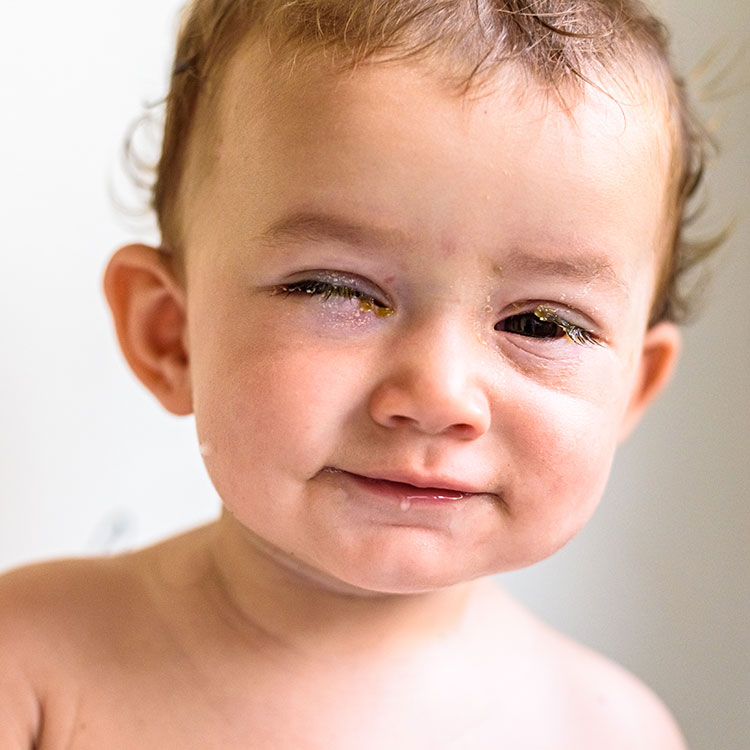
- excessive tears
- a yellow-green discharge from the eye which dries when your child sleeps, causing crusting around the eyelids
- a dislike of bright lights (photophobia)
- a gritty feeling (like there is sand in the eye)
- itchiness of the eyes and eye rubbing.
Symptoms usually develop within 24 to 72 hours of becoming infected, and can last from two days to three weeks.
What causes conjunctivitis?
Infectious conjunctivitis
Conjunctivitis can be caused by an infection (either a virus or bacteria), which is highly contagious. Your child could develop infectious conjunctivitis if they come into contact with:
- the discharge from the eyes, nose or throat of an infected person through touch, coughing or sneezing
- contaminated fingers or objects
- contaminated water or contaminated towels when swimming.
A person with infectious conjunctivitis will remain infectious as long as there is a discharge from their eye.
If your child has infectious conjunctivitis, do not allow them to share eye drops, tissues, make-up, towels or pillowcases with other people. Children with infectious conjunctivitis should be kept home from child care, kindergarten or school until the discharge from the eyes has cleared. Be sure to regularly wash hands thoroughly to prevent the infection spreading to others.
Allergic conjunctivitis
Conjunctivitis can also be caused by an allergic reaction. Allergic conjunctivitis is not contagious. It is more likely in children with a history of other allergies . Your child will often show other signs of hay fever if their conjunctivitis is the result of an allergy. Signs can include an itchy or runny nose and sneezing, and the eyes are itchy and watery. Children with allergic conjunctivitis almost always rub their eyes a lot.
Care at home
If the symptoms are mild, gentle cleaning of the eyes with cotton balls soaked in warm water may help your child feel better.
- Clean in one direction only, outwards from the inside (nose side) of the eye. This prevents the other eye becoming infected if only one eye is affected.
- Discard the cotton ball each time to prevent recontamination.
Do not try to clean inside the eyelids as this may cause damage to the conjunctiva. Lubricating eye drops such as ‘artificial tears’ may give some relief.
Sore, inflamed and itchy eyes due to allergic conjunctivitis may be helped by antihistamines.
Speak to your doctor or pharmacist about antihistamine use for your child. You may have heard breastmilk can be used on a baby’s eyes if they are gunky or sticky. Breastmilk does not treat conjunctivitis and there is no benefit to using it on your baby’s eyes, but it is not harmful. Formula should never be used.
When to see a doctor
See a GP if your child’s conjunctivitis isn’t getting better after two days, or if your child has any of the following:
- severe pain
- problems with their vision/eyesight
- increased swelling, redness and tenderness in the eyelids and around the eyes
- is generally unwell and has a fever
- a persistent white spot in the cornea (the clear ‘window’ at the front of the eye).
The GP will determine what type of conjunctivitis your child has, and may recommend treatment with antibiotic drops for bacterial conjunctivitis. Treatment should be applied to both eyes, even if only one eye appears to be infected. Continue using the drops for two days after the discharge stops.
Key points to remember
- Conjunctivitis can be an infectious or allergic condition. If infectious, it is often highly contagious.
- A child with infectious conjunctivitis is contagious until discharge from the eyes has disappeared.
- Children with infectious conjunctivitis should be kept home from child care, kindergarten or school.
For more information
- See your doctor, Maternal and Child Health Nurse or pharmacist.
- Kids Health Info fact sheet: Fever in children
- Kids Health Info fact sheet: Stopping the spread of germs
Common questions doctors are asked
- My baby often has a gunky discharge in his eyes. Is this conjunctivitis?
- Many newborn babies have blockages in their tear ducts. As the blockage clears, many babies develop a discharge/crusting in their eye. This can look like conjunctivitis and can persists for many months. The treatment is similar, but antibiotic drops are not required. You should have your baby examined by your GP, paediatrician or Maternal and Child Health Nurse to determine the cause of the eye discharge.
- Should I disinfect my child’s pillowcase and towel after she’s had conjunctivitis?
- If your child has infectious conjunctivitis, give them a clean pillowcase and towel to use each day to prevent the infection spreading to the other eye if only one is affected, or spreading to other members of the household. Wash their used bedding and towels as usual. There is no need to use disinfectant. • My child wears contact lenses.
- Can this cause problems with conjunctivitis?
- Children who wear contact lenses should not use them until their conjunctivitis has cleared up. Sometimes, contact lenses can accidentally cause abrasions on the cornea (as can scratches or debris in the eye). Corneal abrasions can resemble conjunctivitis, but need specialist review and management.
Developed by The Royal Children's Hospital Short Stay Unit and Ophthalmology department. We acknowledge the input of RCH consumers and carers